
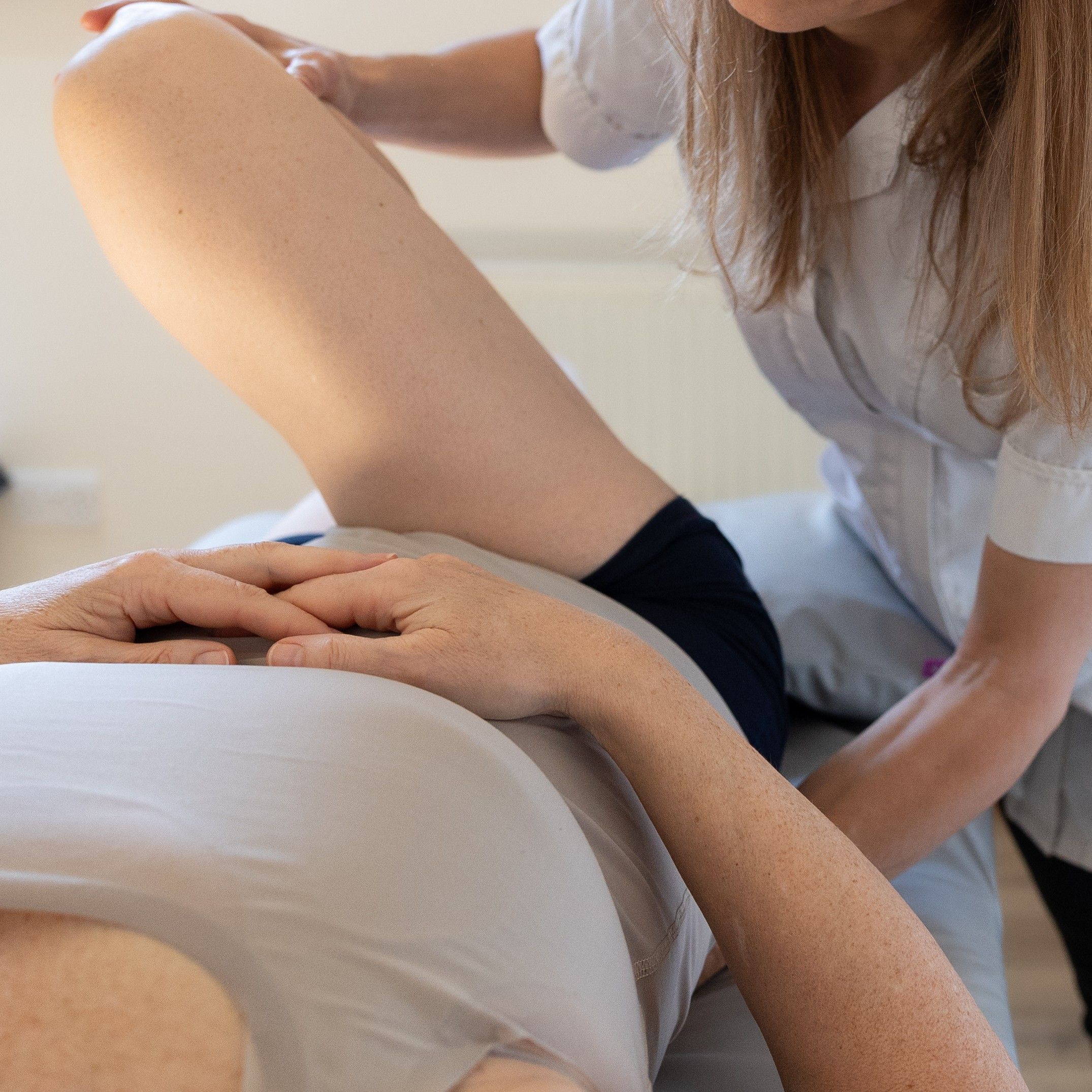
You may have heard the word fascia mentioned in Pilates, yoga, osteopathic treatments or massage therapy – but what exactly is it?
Fascia is a continuous web of connective tissue that surrounds and weaves through every structure in your body – muscles, bones, organs, and nerves. Rather than thinking of muscles as separate parts, fascia connects everything into one integrated system.
In simple terms: fascia helps your body move as a whole.
Why Fascia Matters
Healthy fascia is elastic, hydrated, and adaptable. When it moves well, you feel fluid and spacious in your body. When it becomes restricted – through stress, repetitive posture, injury, or inactivity – you may feel stiff, tight, or limited.
Fascia plays a key role in:
- Mobility – allowing tissues to glide smoothly
- Posture – adapting to daily habits over time
- Tension & discomfort – holding patterns created by stress or strain
- Nervous system regulation – supporting a sense of calm when worked with gently
Often, persistent “tightness” isn’t about short muscles. It’s about fascia needing more varied, mindful movement.
Signs Your Fascia May Need Support
You might benefit from fascia-focused work if you notice:
- Ongoing stiffness despite stretching
- Limited range of motion
- Recurring minor aches
- A feeling of compression or restriction
The solution is rarely forcing deeper stretches. Fascia responds better to consistency and patience than intensity.
How to Support Healthy Fascia
- Slow, Controlled Movement
Practices like Pilates are ideal because they encourage joint articulation, balanced strength, and multi-directional movement. Fascia thrives on variety and awareness. - Gentle Myofascial Release
Using soft balls or rollers can improve tissue glide and increase body awareness. Release work should feel steady and tolerable – not aggressive. - Hydration
Fascia contains a high percentage of water. Staying hydrated supports elasticity and resilience. - Nervous System Care
Because fascia is rich in sensory receptors, stress impacts it deeply. Breathwork, rest, and time in nature all support tissue health.
A Different Way to Think About Your Body
Fascia isn’t something to “fix.” It’s something to care for.
When you move with intention, build strength without rigidity, and allow space for recovery, your body responds. Over time, you may notice not just improved mobility – but a greater sense of ease and connection within yourself.
That’s the real power of fascia-informed movement: strength with softness, structure with flow, and resilience that feels sustainable.
If you would like to learn more, please arrange to chat with one of our Osteopaths.