
January often brings cold mornings, early sunsets, and a natural dip in motivation. What we often don’t realise is that winter can change the way our bodies function – from energy levels to mood, immunity, and digestion. The right winter-friendly foods can make a surprisingly big difference.
Here’s a gentle, practical guide to eating in a way that supports energy and wellbeing during the coldest part of the year.
Why Winter Affects Your Energy and Mood
Shorter daylight hours can influence:
- Serotonin (the “feel-good” neurotransmitter)
- Melatonin (which affects sleep)
- Blood sugar and cravings
- Energy metabolism
This is why many people naturally reach for warming, comforting foods. The good news? You can work with your body by choosing foods that steady your mood, enhance energy, and support immunity.
Warm, Slow-Digesting Breakfasts
Cold mornings call for breakfasts that stabilise blood sugar and keep you satisfied.
Try:
- Porridge with berries and a spoonful of nut butter
- Warm chia pudding with cinnamon
- Scrambled eggs with greens
- Overnight oats warmed on the hob, sprinkled with nuts and seeds
These slow-release carbohydrates + protein = more stable energy and fewer mid-morning crashes.
Seasonal Veg for Mood & Immunity
Winter is full of nutrient-dense vegetables that thrive in cooler months. These provide fibre (for gut health), vitamin C, iron, folate, and antioxidants—all key for brain health and stable mood. Roast them, blend them into soups, or sauté with herbs.
Great options include: carrots, parsnips, kale, Brussel sprouts, cabbage, leeks and cauliflower.
Omega-3s for Winter Brain Support
Omega-3 fatty acids support brain health and may help balance mood so include in your diet salmon, mackerel, sardines, walnuts, Chia seeds and flaxseeds. Try adding a spoon of chia or flax to porridge or yoghurt for an easy boost.
Warming Drinks That Hydrate
Hydration often drops in winter because people feel less thirsty. Great choices are herbal teas (ginger, peppermint, rooibos), hot lemon water, warm water with honey, broths and clear soups
Staying hydrated supports your energy levels, concentration, digestion, and skin health.
Complex Carbohydrates for Steady Energy
Comfort carbs can absolutely be part of winter nourishment – just choose slower-digesting options. Examples are sweet potatoes, brown rice, quinoa, oats and wholegrain bread.
Pairing complex carbs with protein (beans, fish, eggs, lean meat) boosts energy even more.
Vitamin D-Rich Foods for the Winter Dip
While sunlight is the main source of vitamin D, certain foods can help support levels during darker months. For this regularly include mushrooms, oily fish, eggs, fortified cereals or plant milks in your diet.
Nuts & Seeds for Mood and Blood Sugar
Handfuls of almonds, Brazil nuts, pumpkin seeds, sunflower seeds all make excellent winter snacks. They contain magnesium, healthy fats, and B vitamins – nutrients linked to energy and mood stability.
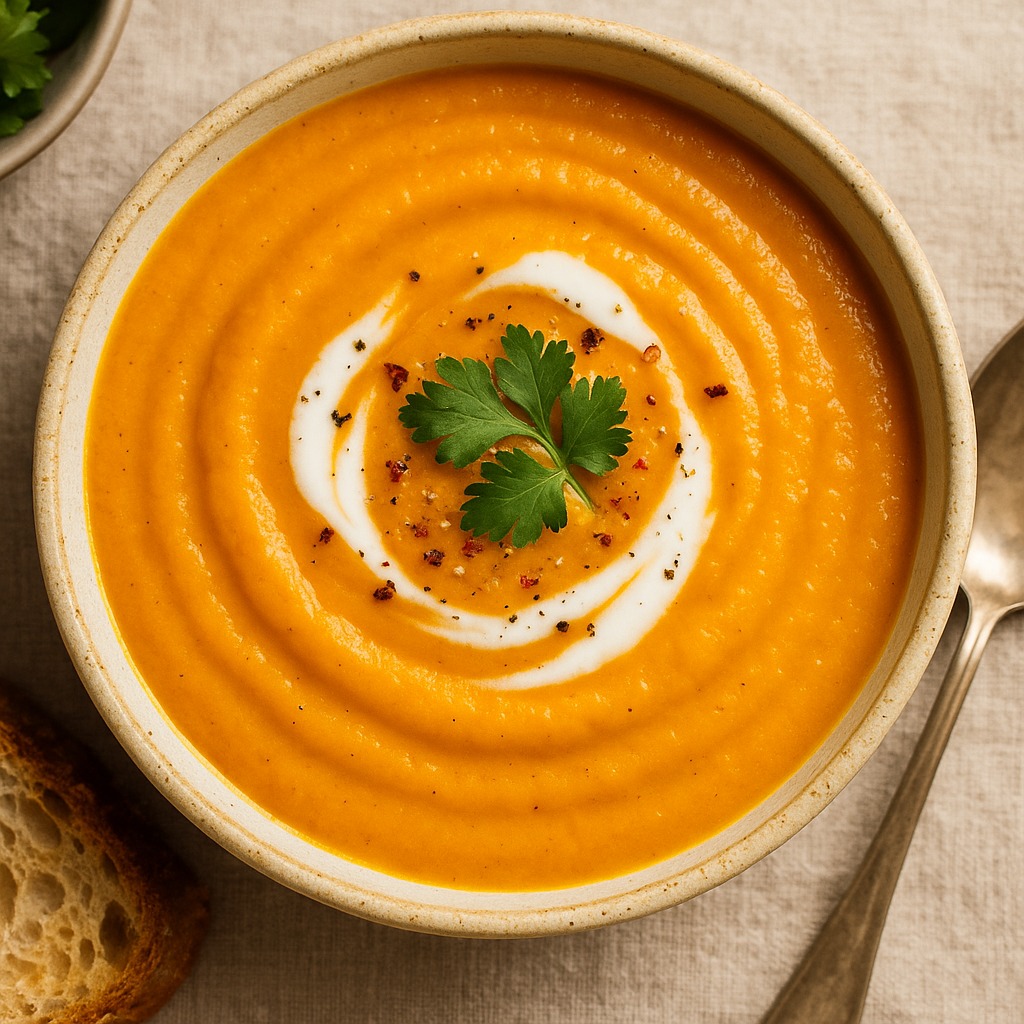
Soups & Stews: Winter’s Best Comfort Foods
These are ideal winter meals—nourishing, hydrating, and easy to digest.
Some inspiration…
- Lentil and tomato soup
- Chicken and vegetable stew
- Butternut squash soup
- Minestrone with beans
Add herbs like turmeric, ginger, garlic, and rosemary for an extra wellbeing boost.
Bringing It All Together
Winter eating doesn’t need to be restrictive – in fact, it can be grounding, warming, and deeply supportive for mind and body.
Focus on:
- Warm, filling meals
- Seasonal produce
- Healthy fats
- Gentle hydration
- Steady, whole-grain carbs
A nourishing approach to food can help you feel more energised, balanced, and resilient through the winter months.